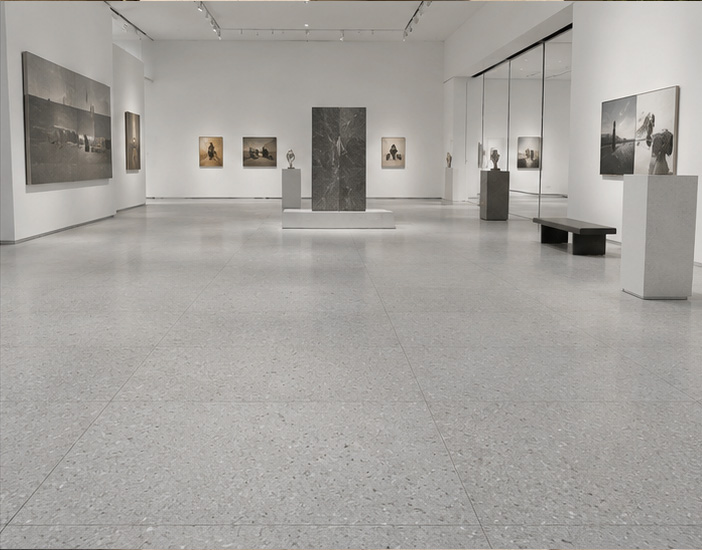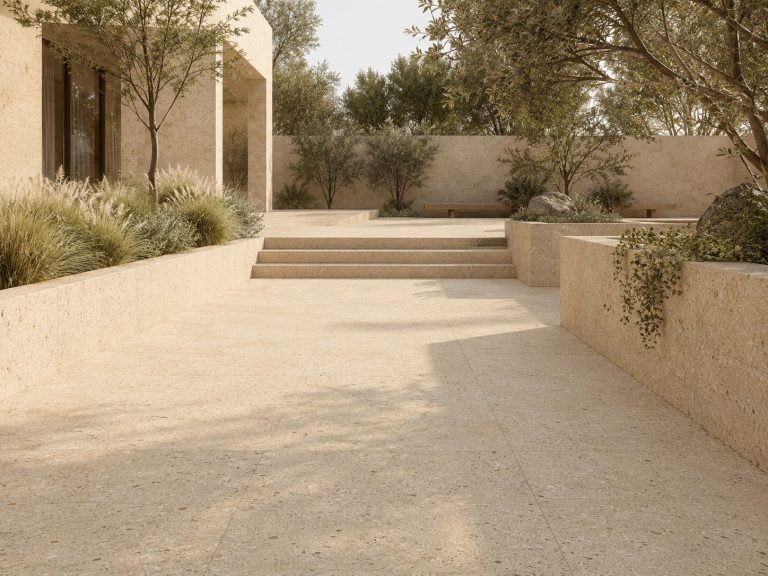
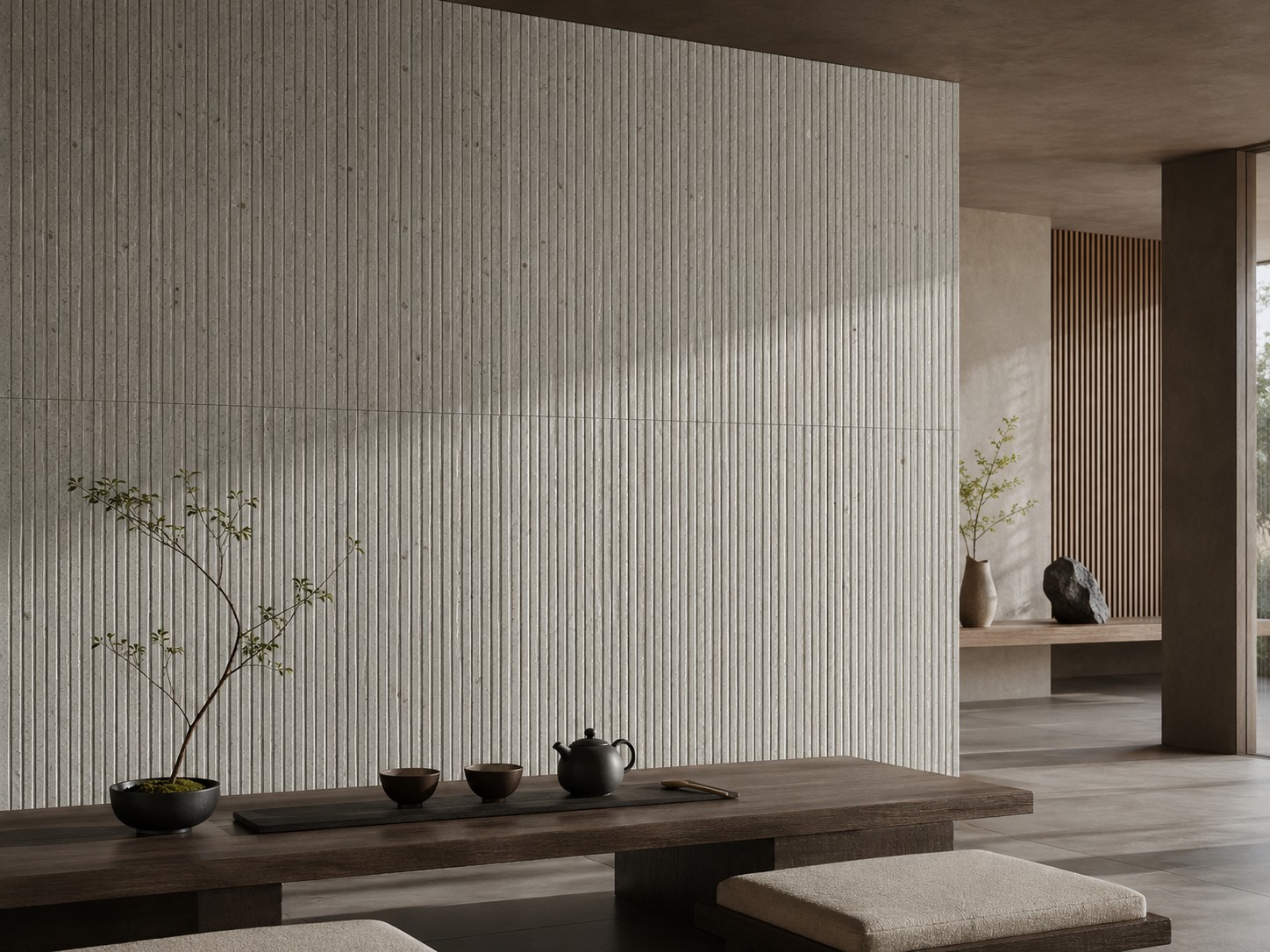
Architecture has always depended on stone. Stone gives buildings permanence, weight and cultural memory. But the way projects source and specify stone is changing. Designers and developers now consider not only appearance, but also resource use, supply stability, project consistency and long-term performance.
This is one reason recycled limestone and regenerated stone surfaces are receiving more attention.
The changing expectations of materials
Modern projects often require a difficult balance. They need natural beauty, but also stable supply. They need distinctive design, but also repeatable production. They need materials that feel authentic, but are practical for commercial schedules and international procurement.
Why limestone-inspired surfaces are relevant
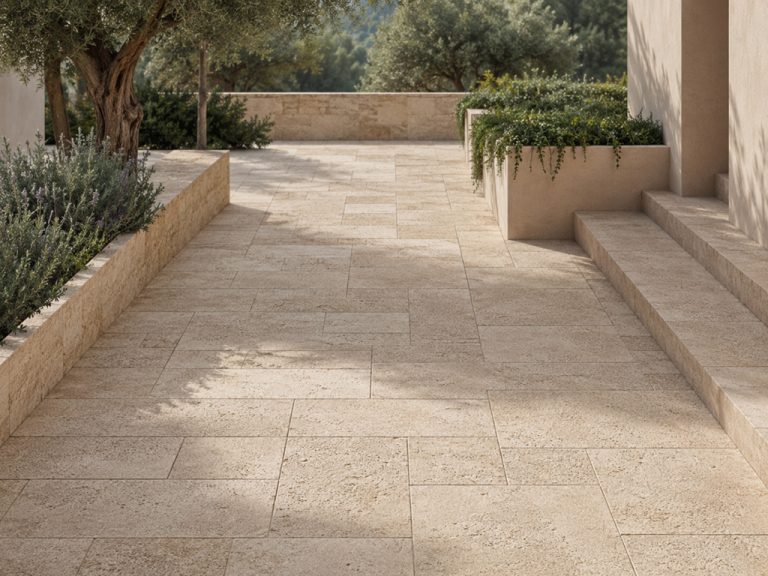
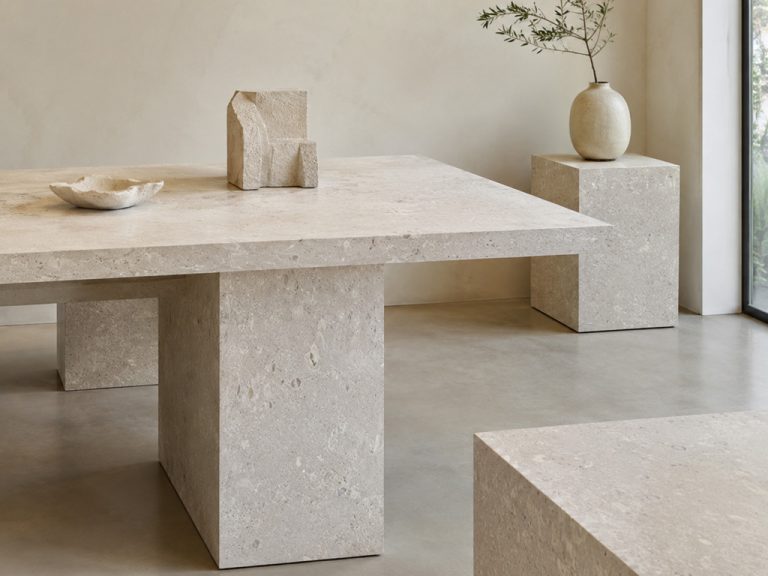
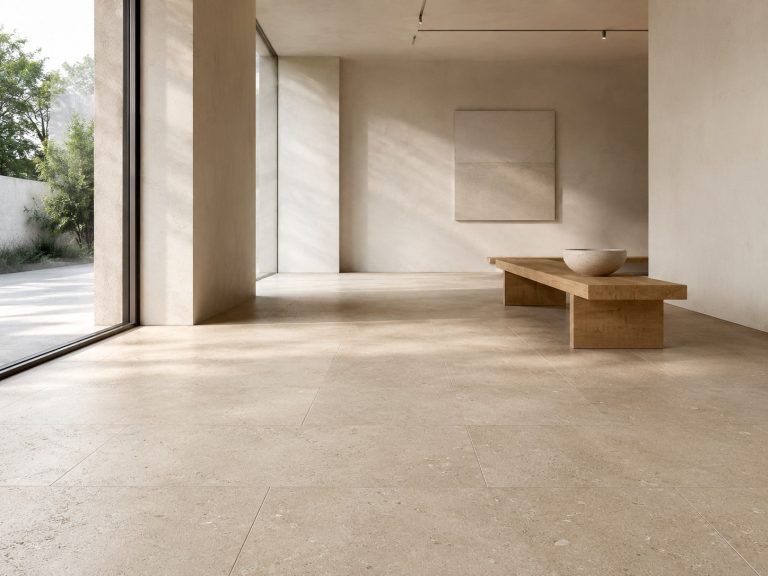
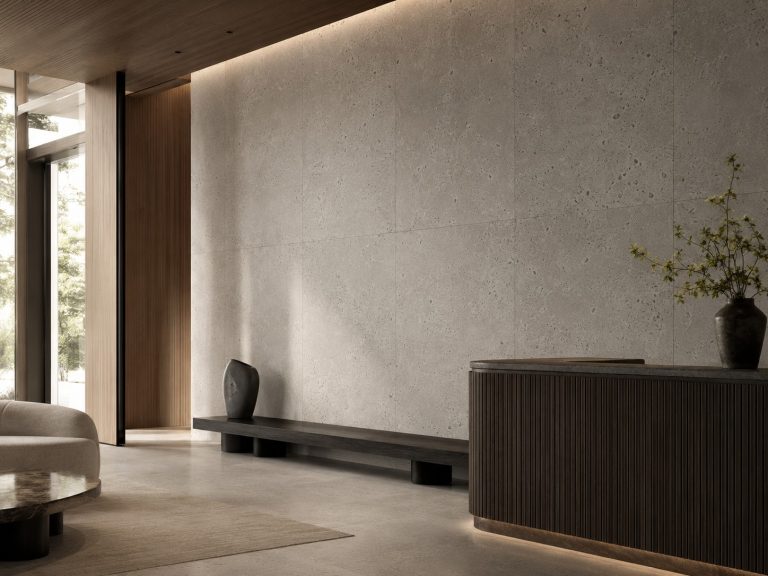
Limestone has a softer character than many stones. It feels warm, calm and architectural. A recycled limestone surface can capture this mood while offering a more controlled material solution for walls, floors, facades and custom design elements.
Advantages for project teams
- Coordinated color and surface collections
- Formats suitable for walls, floors, facades and custom elements
- Sample-based approval before project production
- Different finishes for different applications
- Potential to reduce dependence on unrestricted extraction of natural stone resources
Not a one-size-fits-all answer
Sustainable material selection still requires responsibility. Project teams should confirm test data, installation suitability, maintenance requirements and local regulations. Claims should be supported by documentation and sample review. The best material decision is both design-led and technically informed.
Final thought
The future of architectural surfaces will not be defined by one material alone. It will be shaped by thoughtful choices. Monol Recycled Limestone offers one such choice: a quiet, natural-looking surface developed for contemporary design and practical project supply.